Peugeot Saveurs — A combination of design and ingenuity
Since 1840, Peugeot Mills have been an essential benchmark for gourmets and great chefs alike. They are exceptional pieces that have become tableware icons, from coffee mills to salt, pepper or spice grinders, manual or electric, Peugeot Mills are a pleasure to use with their sleek and elegant design, their noble indestructible materials, their range of shapes and colours and their ever more innovative mechanisms, with a lifetime guarantee.
Discover the history and distinctive features of the iconic French brand.
Peugeot Values
"Peugeot, with pride in its history and heritage, is firmly rooted in time and the collective imagination. It is a symbol of our family’s commitment to a territory and our connection to the values of expertise, innovation, and style. Always looking to the future, Peugeot continues to drive its development to better support chefs, families, and food enthusiasts, from the kitchen to the table."
— Jean-Philippe Peugeot
Timeline — From Tradition to Innovation
1810 - Beginning of the Peugeot family’s industrial vocation
Brothers Jean Pierre and Jean Frédéric Peugeot converted the mill inherited from their miller ancestors into a steel mill. Since then, rolled steel has been at the heart of Peugeot’s activities.
1840 - The first coffee mill
The R model, called the "Ordinary Model" until 1870, was made of wood and sheet metal and was available in 10 different sizes.
1850 - The Lion: A Trademark
In 1850, the Lion symbol first appeared on on all the blades. It symbolizes the qualities of Peugeot tools and utensils: teeth resistance, blade flexibility, and fast cutting.
The First Peugeot Models
- 1874 - Z Model | The Z model was the very first Peugeot table pepper mill, and it remains the most widely produced, still in production today. Initially made of white porcelain, it was later produced in silver-plated metal, Bakelite, and wood. Sometimes, it was equipped with a crank handle.
- 1879 - Y Model | The distinctive feature of the Y model was that it was used upside down, as its mechanism was hidden inside the head.
- 1931 - Bakelite Model | This Bakelite pepper mill featured the Lion symbol on an arrow, molded into the base.
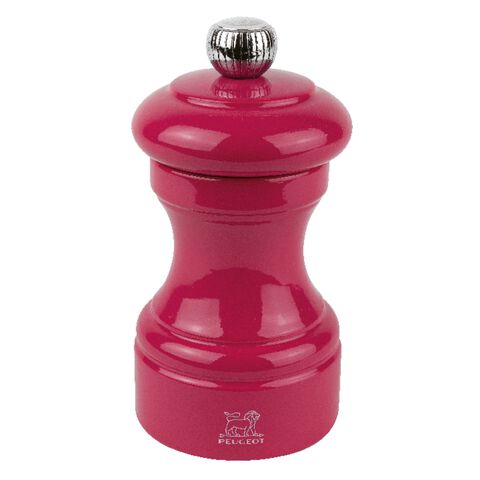
- 1932 - Lacquered Models | In the 1930s, Peugeot pepper mills began to be decorated with colorful lacquers.
1968 - First Production of the Tahiti Model
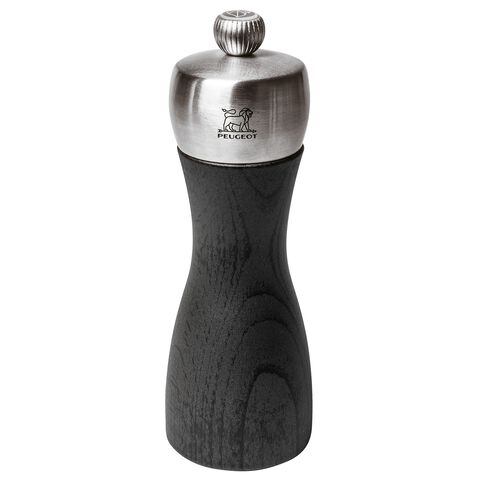
Produced in vibrant colors, with orange or green lacquer, the Tahiti model was later offered with a stainless steel top and wooden body under the name "Fidji."
1987 - First Production of the Paris Model
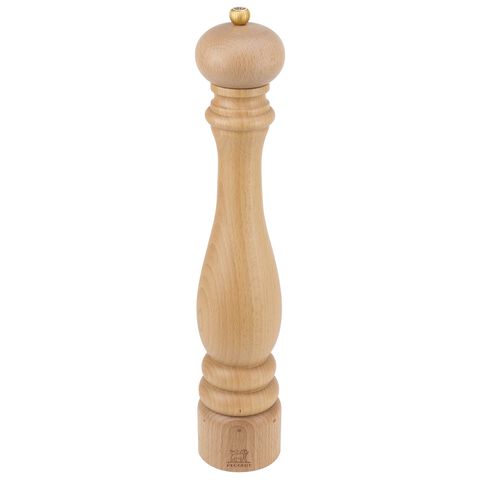
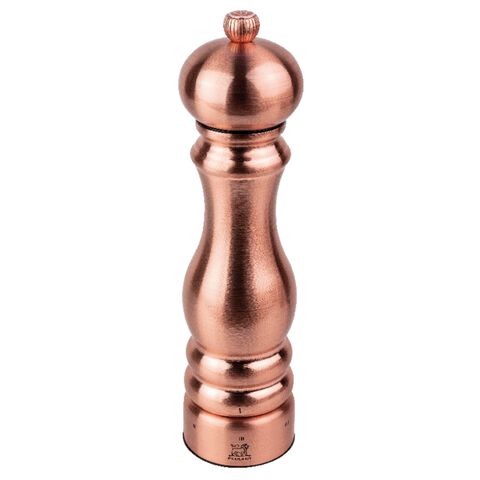
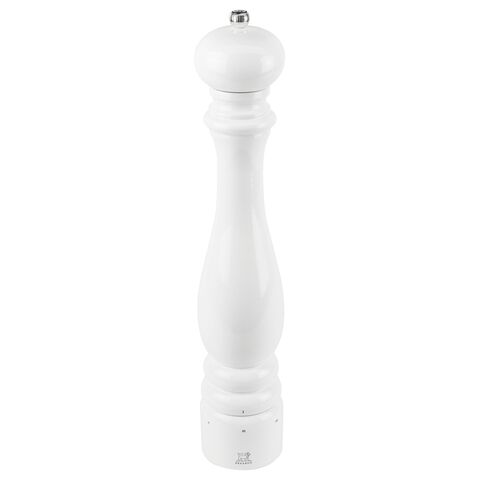
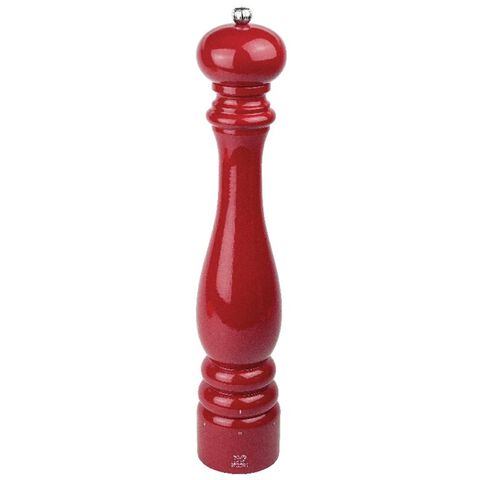
Paris, one of the most iconic models in the current Peugeot collection, was introduced in either unfinished or lacquered wood. Today, this collection is available in a wide range of colors and sizes, from 10 to 110 cm.
1989 - First Production of the Peugeot Nutmeg Mill
1990 - First production of the Nancy Model
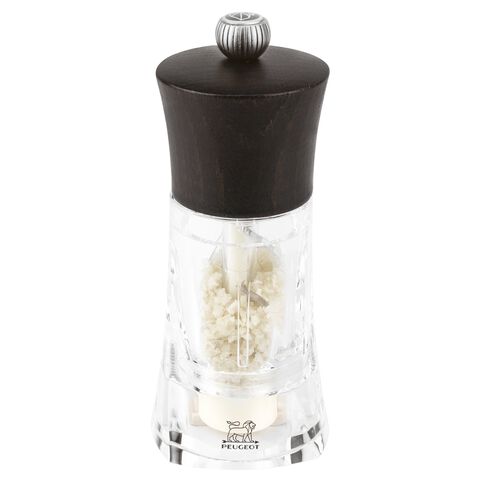
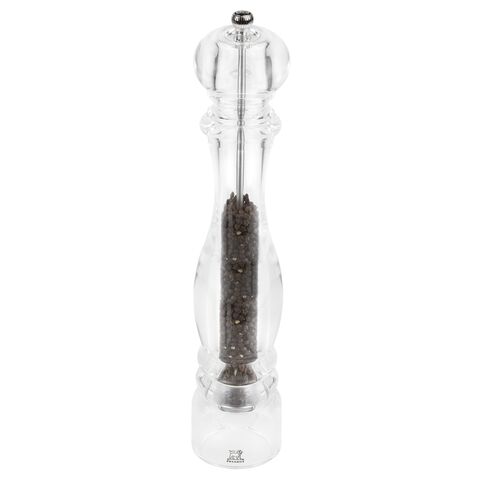
Nancy takes its inspiration from the shapes in the Paris range, in a transparent material.
2002 - Launch of the Appolia Line
Peugeot extended its expertise into ceramic cookware, blending craftsmanship with culinary innovation.
2003 - Two patents, for the best spices: Chilli and Guérande Salt
In its constant search for technological innovation, Peugeot has registered a large number of patents. In 2003, two new mechanisms were invented: pre-chopping for chilli and the mill for Guérande salt.
2004 - u’Select: A Patented Grind Adjustment System
Peugeot invented a system for selecting the grind fineness, offering six settings for pepper and three for salt, allowing for a perfectly tuned balance between dish and seasoning.
2008 - Daman Model: A New Innovation
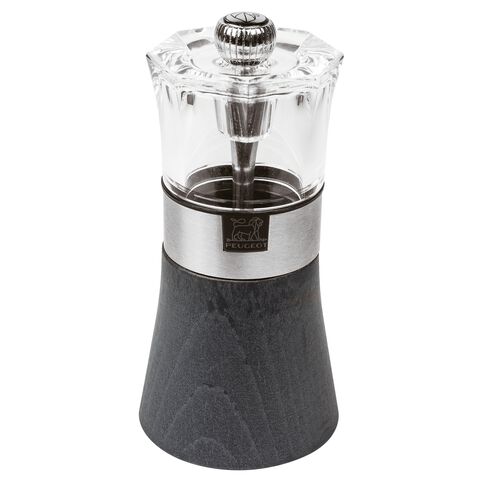
The central shaft that previously went through the middle of the mill was removed. This innovation provides aesthetic and functional benefits to the transparent mill and makes refilling easier.
2011 - Peugeot Electric Mills Enter the Touch Era
Operated with a simple touch of the hand and illuminated by an LED, the Elis Sense electric mill combines technology and design.
2017 - Peugeot's First Mill for Flax and Sesame Seeds
Peugeot creates Isen, a mill specifically designed for grinding flax and sesame seeds. The innovative, patented mechanism, operated by a central crank, can be easily removed for cleaning and is specially designed to accommodate the consistency and hardness of flax seeds.
Peugeot Mill Mechanisms
The Peugeot grinding mechanism is synonymous with precision, quality and durability. Thanks to continuous technological innovation, adjustable grinding settings and durable materials, every Peugeot grinder is designed to offer a superior user experience, perfect for those seeking a fresh, aromatic and consistent grind.
- Pepper: Made from steel, it benefits from a special treatment that protects it from corrosion, preserving its cutting power and making it wear-resistant. Equipped with a double row of spiral teeth, the mechanism guides the peppercorns downwards. It slices rather than crushes the grains, subtly releasing their flavor and aroma.
- Dry Salt: The salt mechanism is designed to grind coarse table salt. Made from a special stainless steel resistant to corrosion, it’s specifically shaped to turn dry salt crystals into a fine powder.
- Wet Sea Salt: An innovative, patented system ensures high-performance grinding without clogging, even with very moist or compacted salt. The mechanism consists of three blades that ensure both durability and consistent performance, with a spiral to mix and guide the salt for smooth, constant flow. This exclusive ceramic mechanism delivers precision grinding.
- Nutmeg: This mill is equipped with a double blade and a robust claw disc that allows for fine grating of whole nutmeg, ensuring maximum aroma release.
- Chili Pepper: This exclusive Peugeot mechanism features a pre-cutting system, specifically designed to grind dried chili peppers. The mechanism undergoes a patented treatment that protects the steel from corrosion while maintaining its sharpness and resistance to wear.